Polaroids
Photo series exploring the disparity between what we experience and the idea that a photograph is a precise record.

Photo series exploring the disparity between what we experience and the idea that a photograph is a precise record.
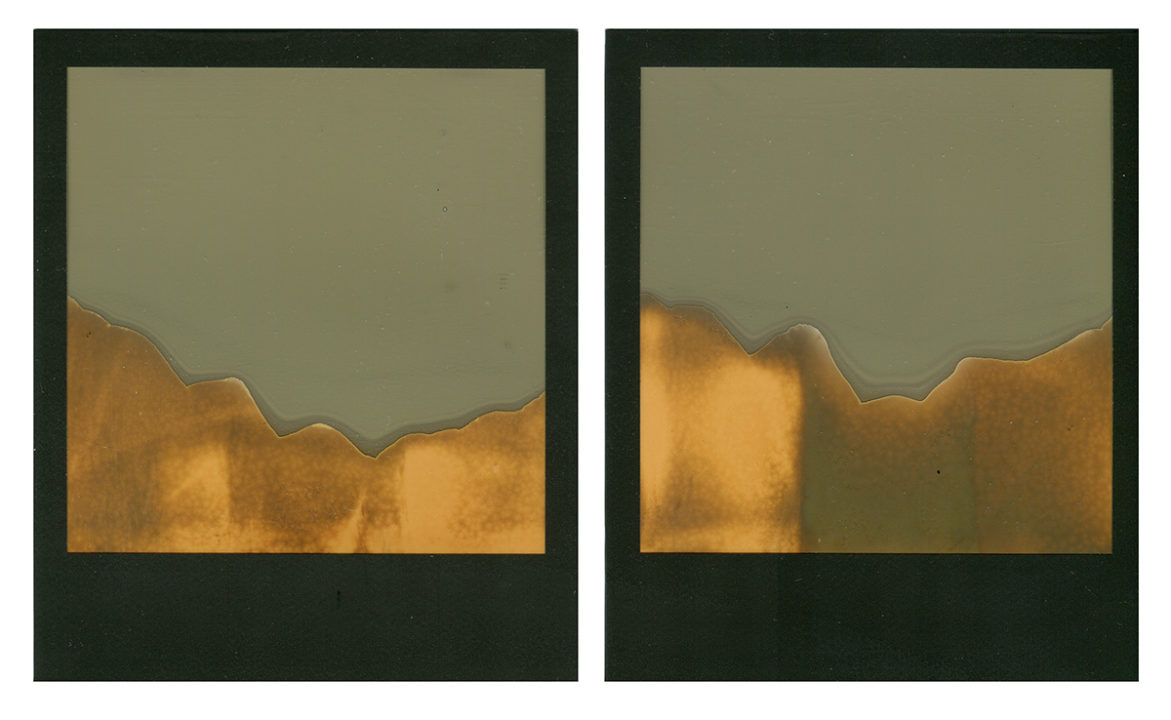
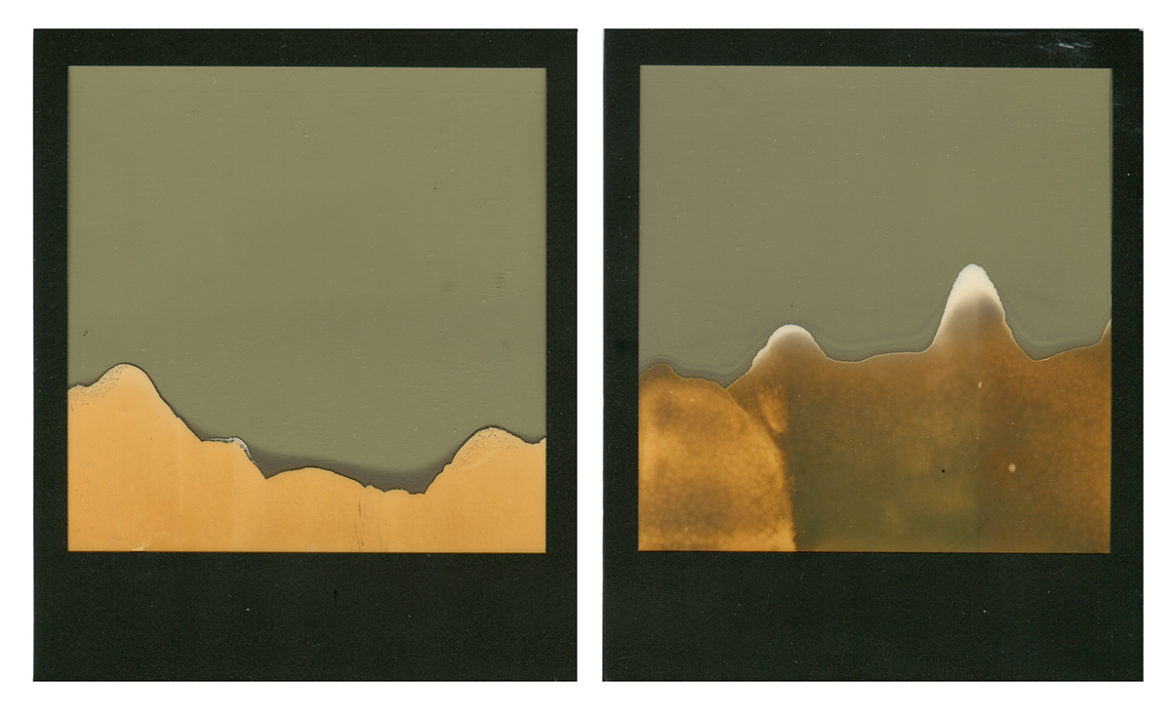
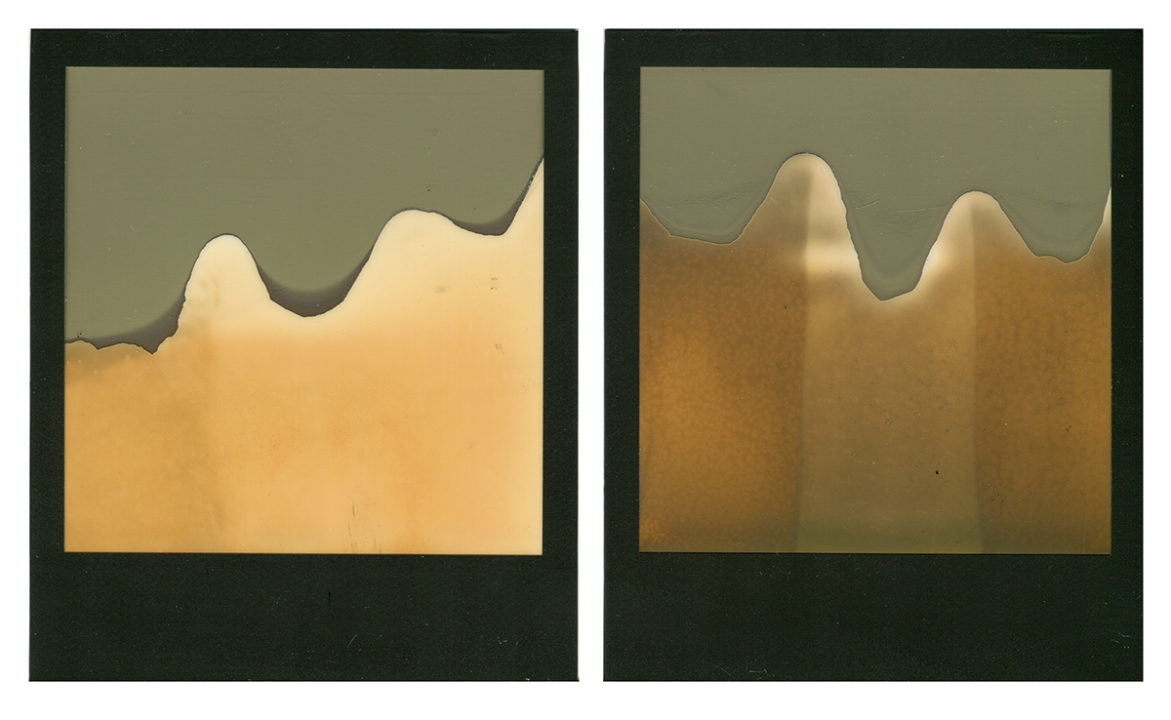
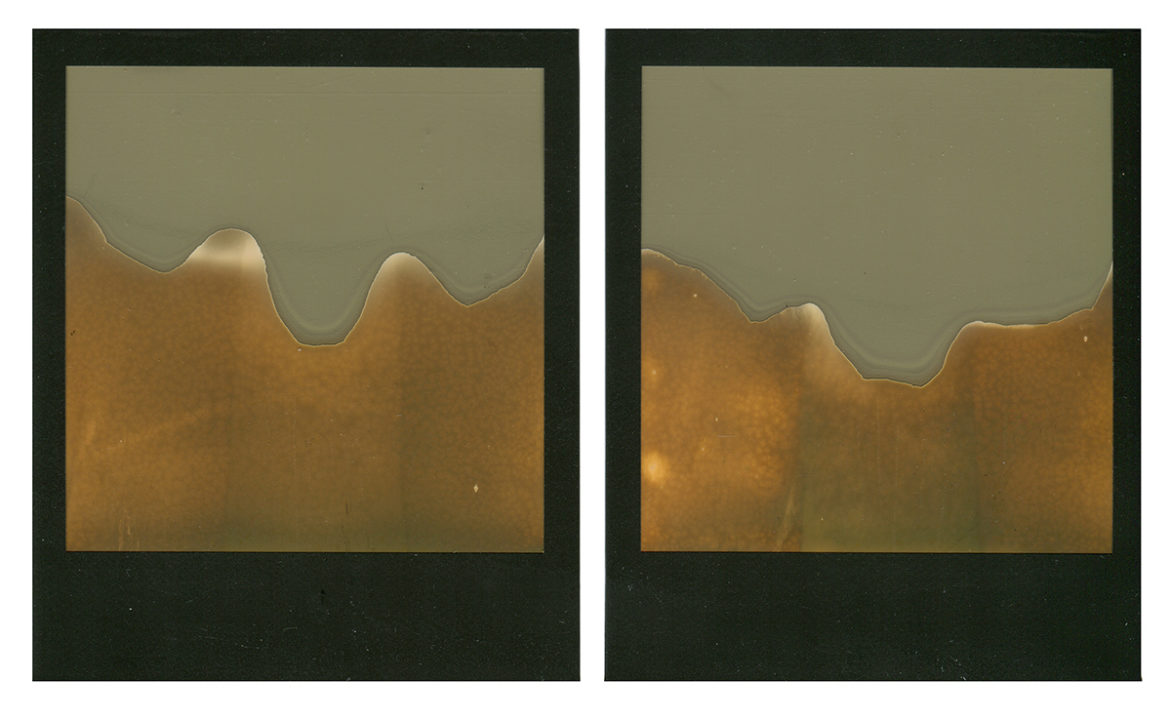
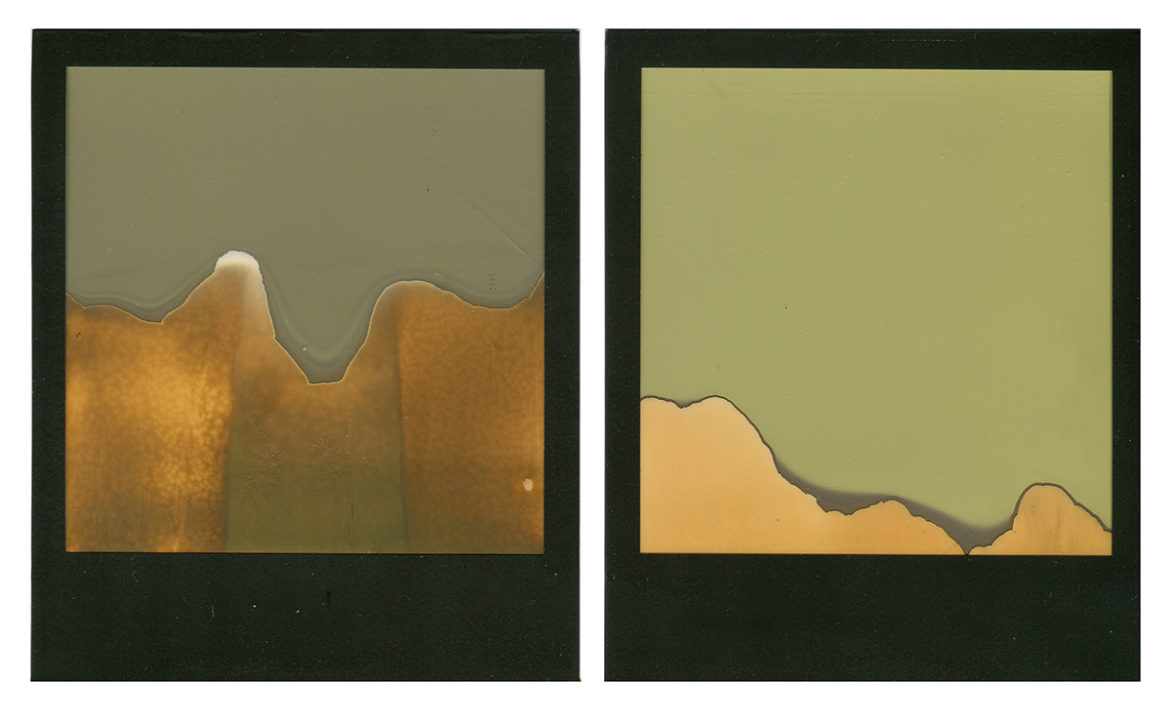
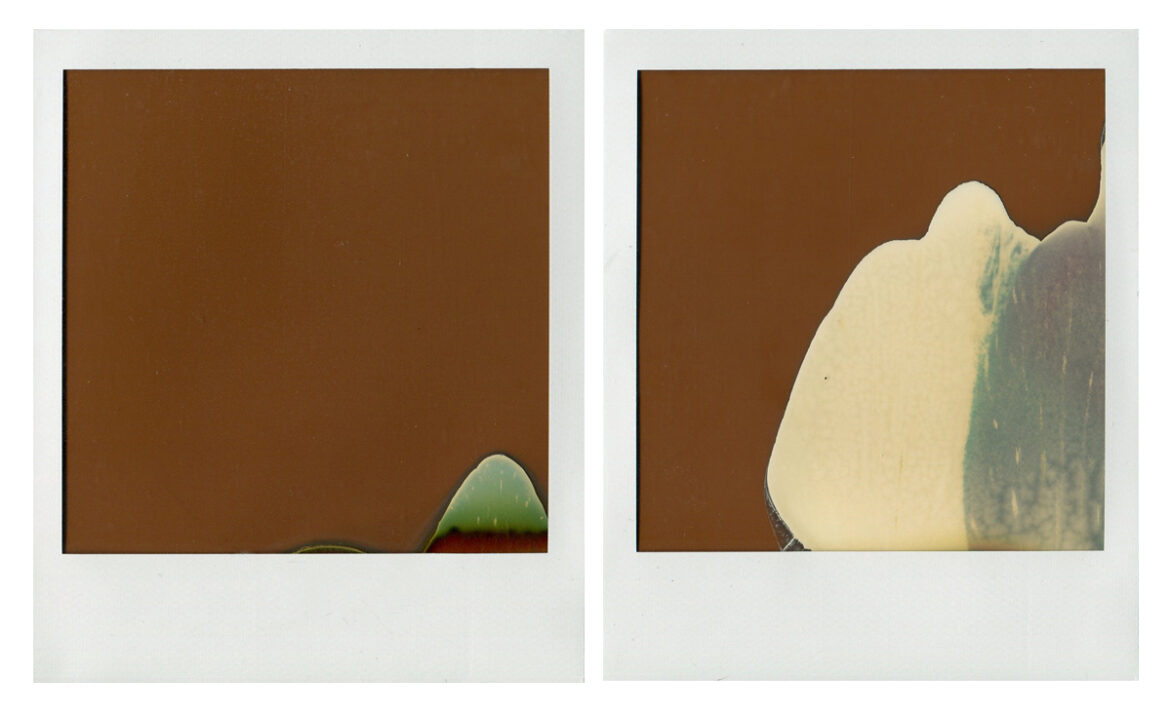
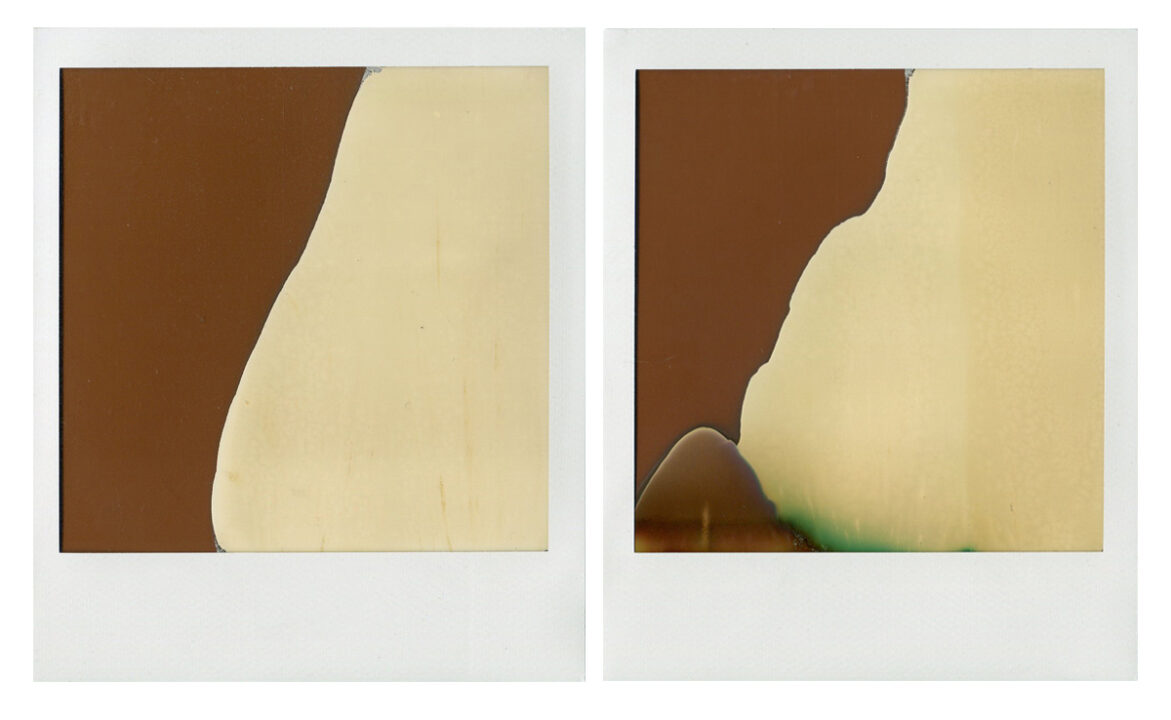
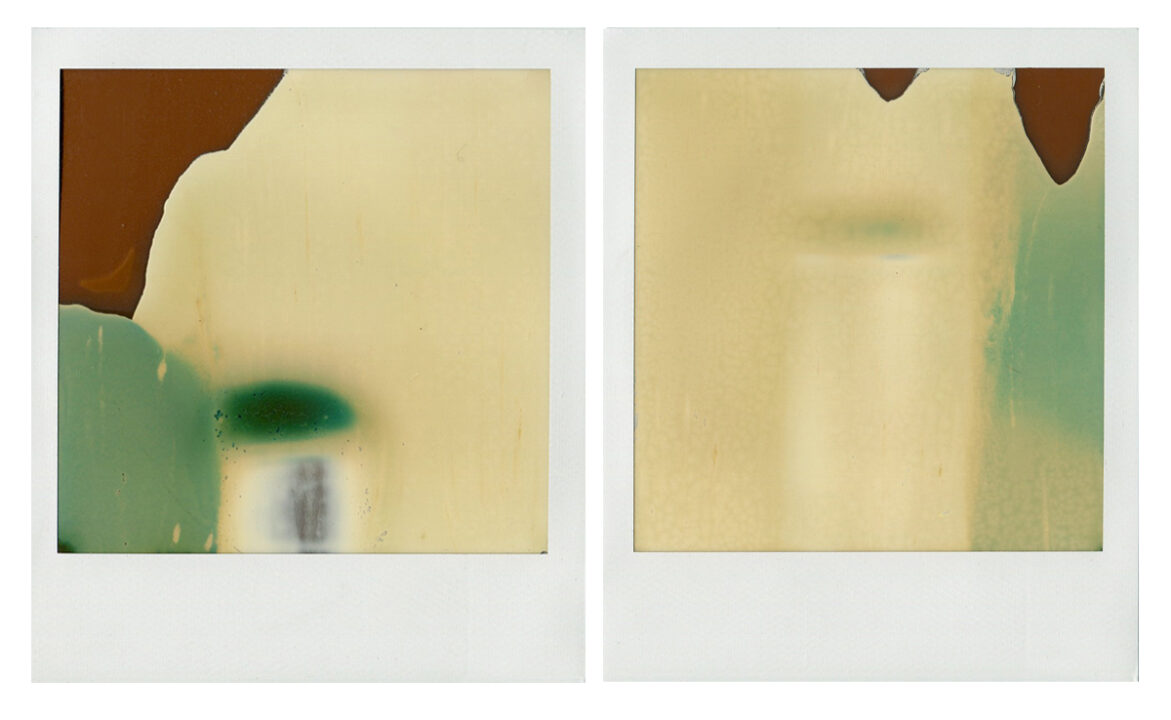
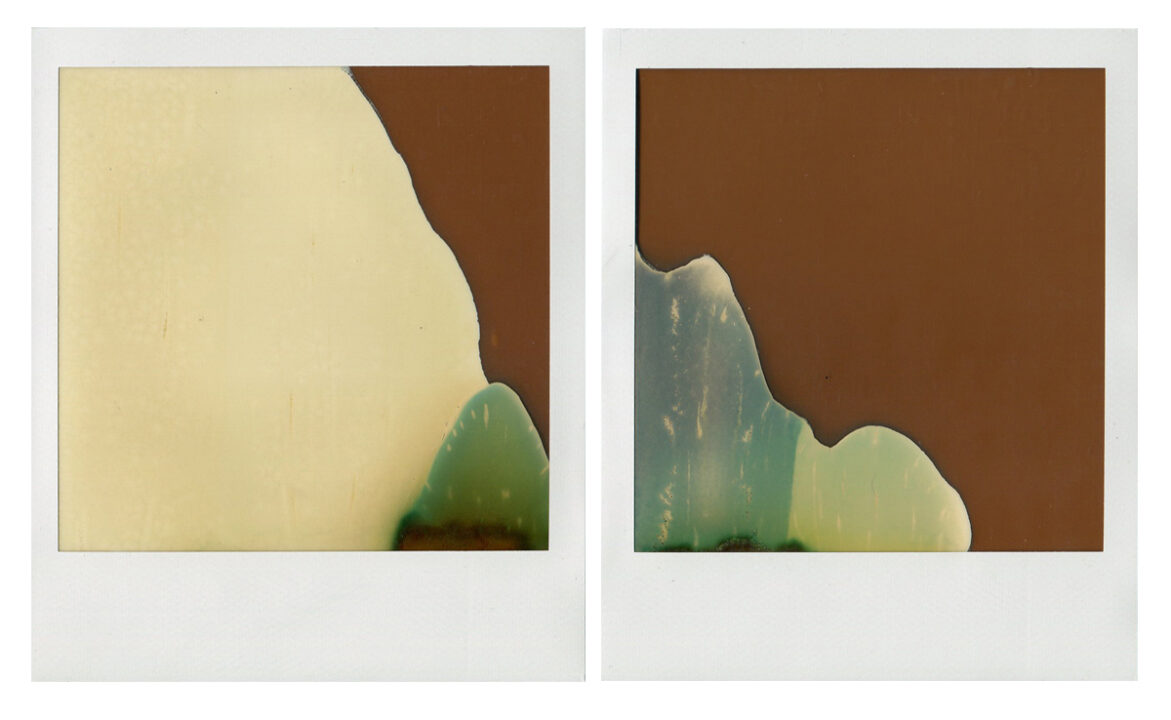
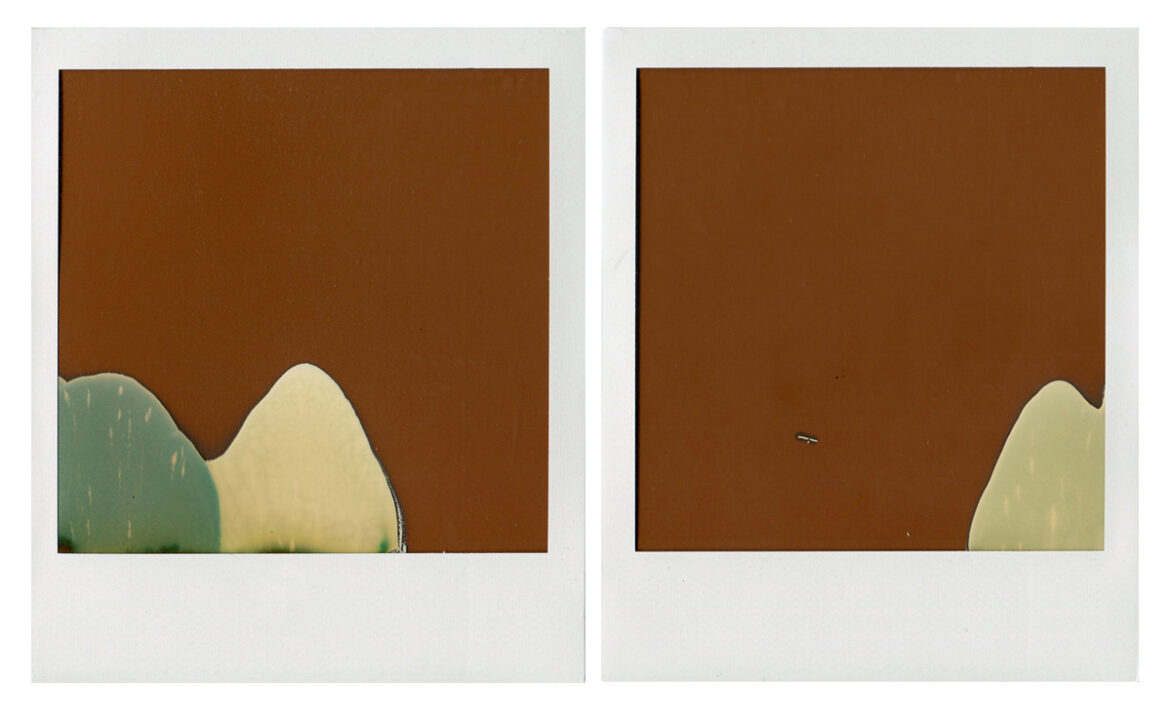
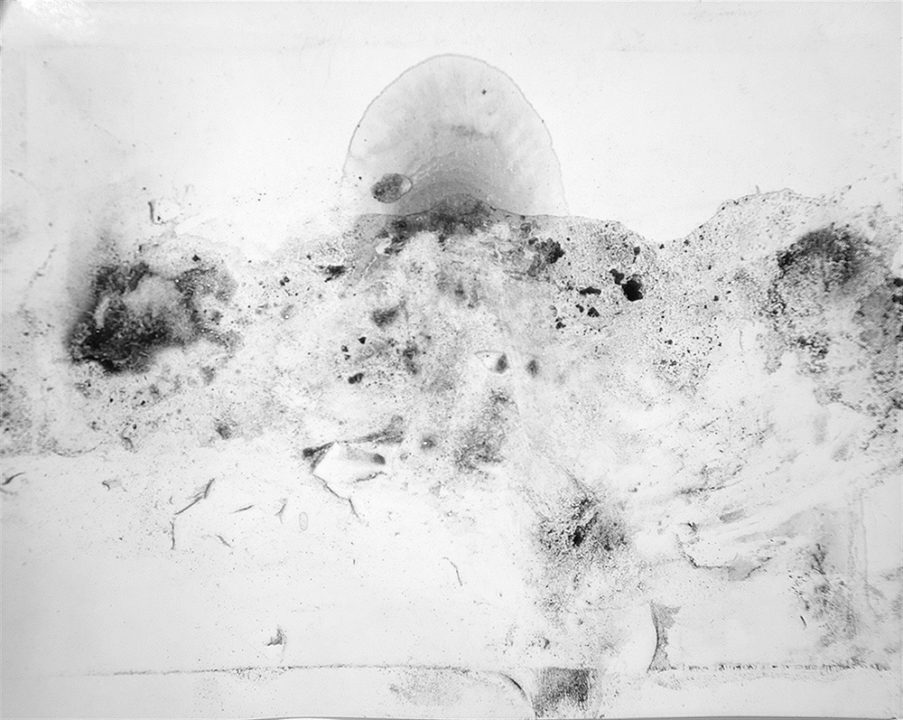
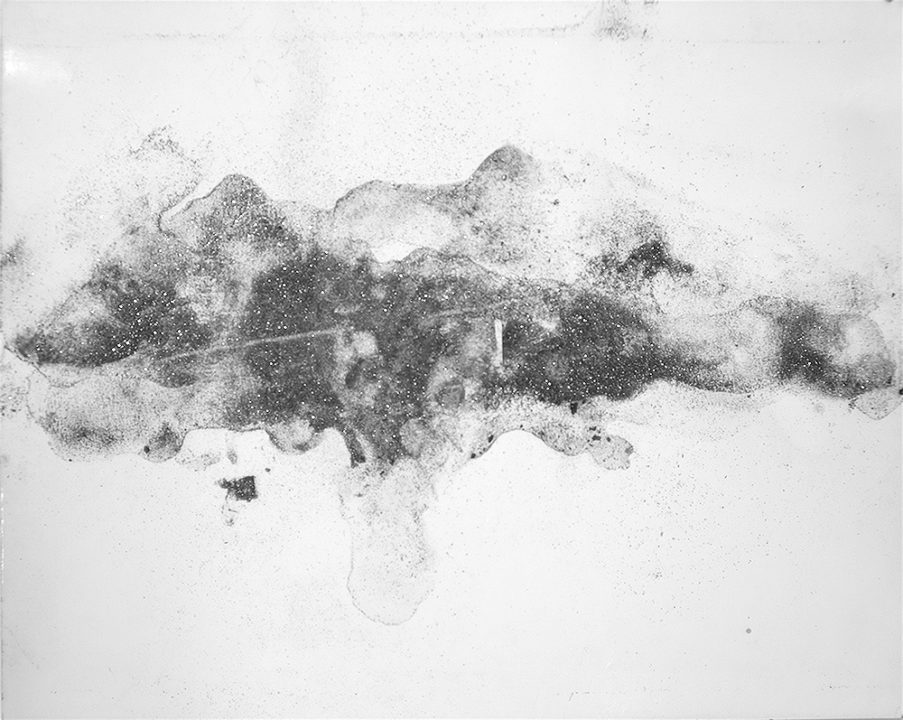
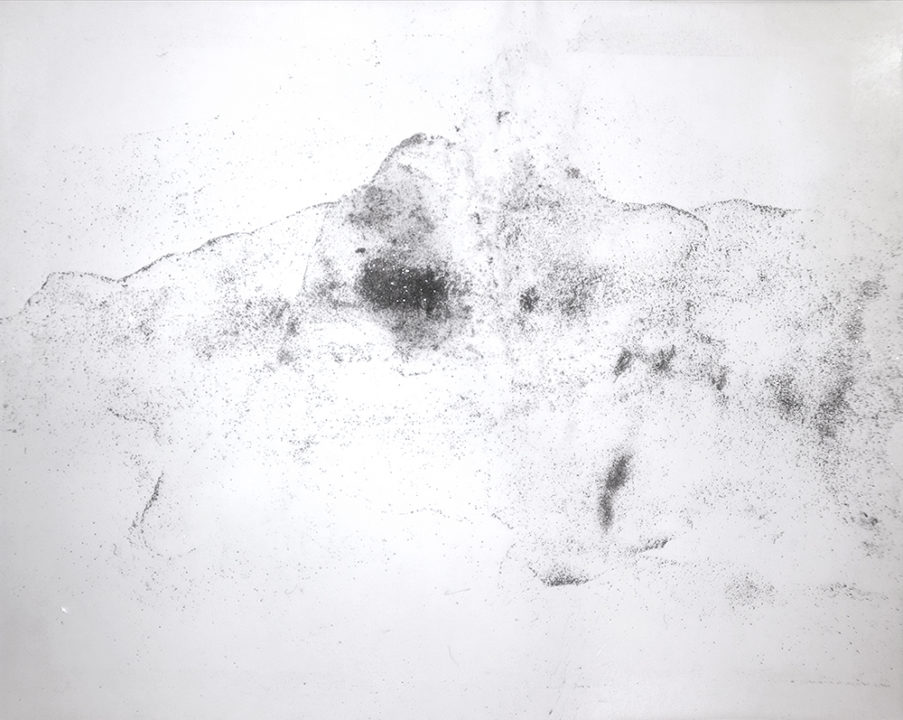
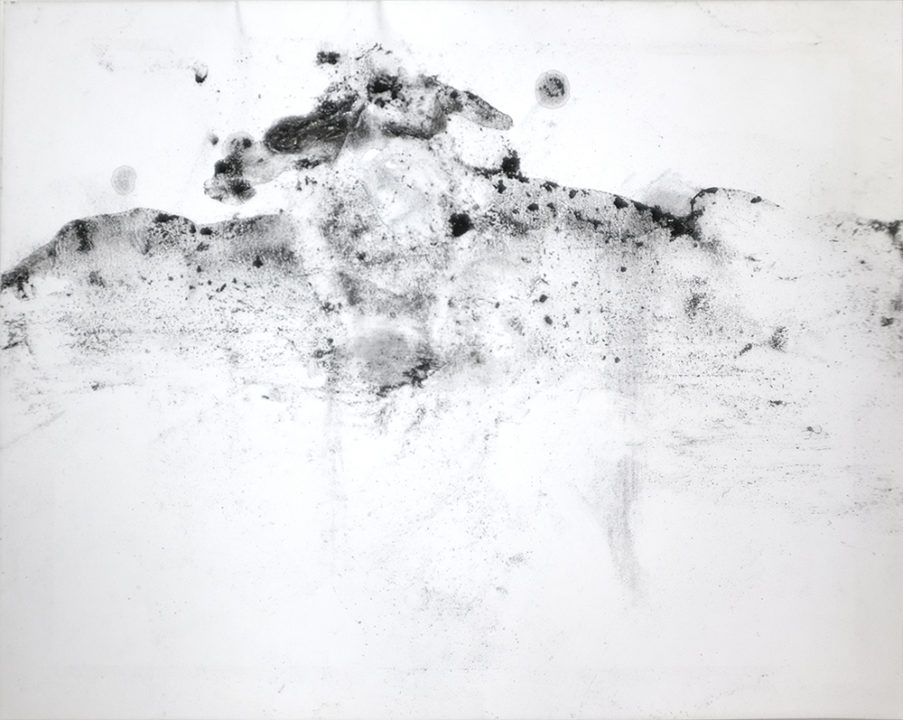
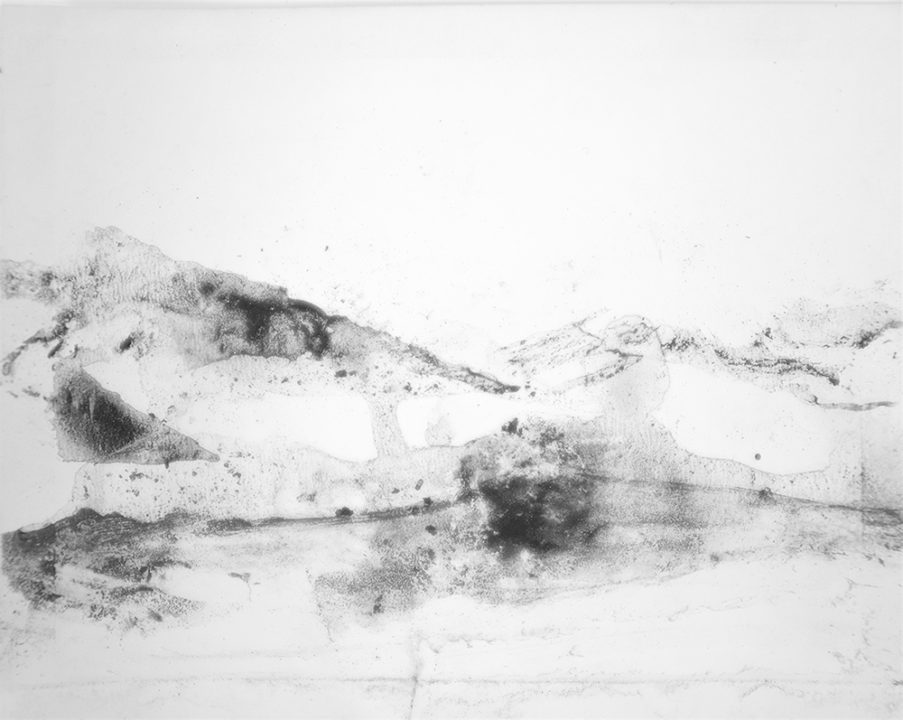
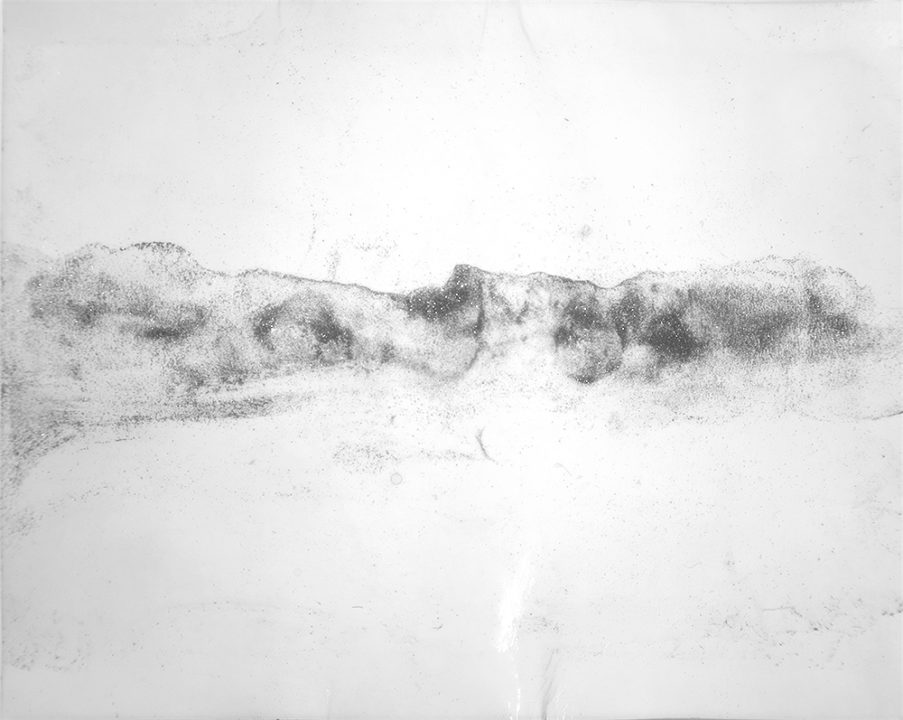
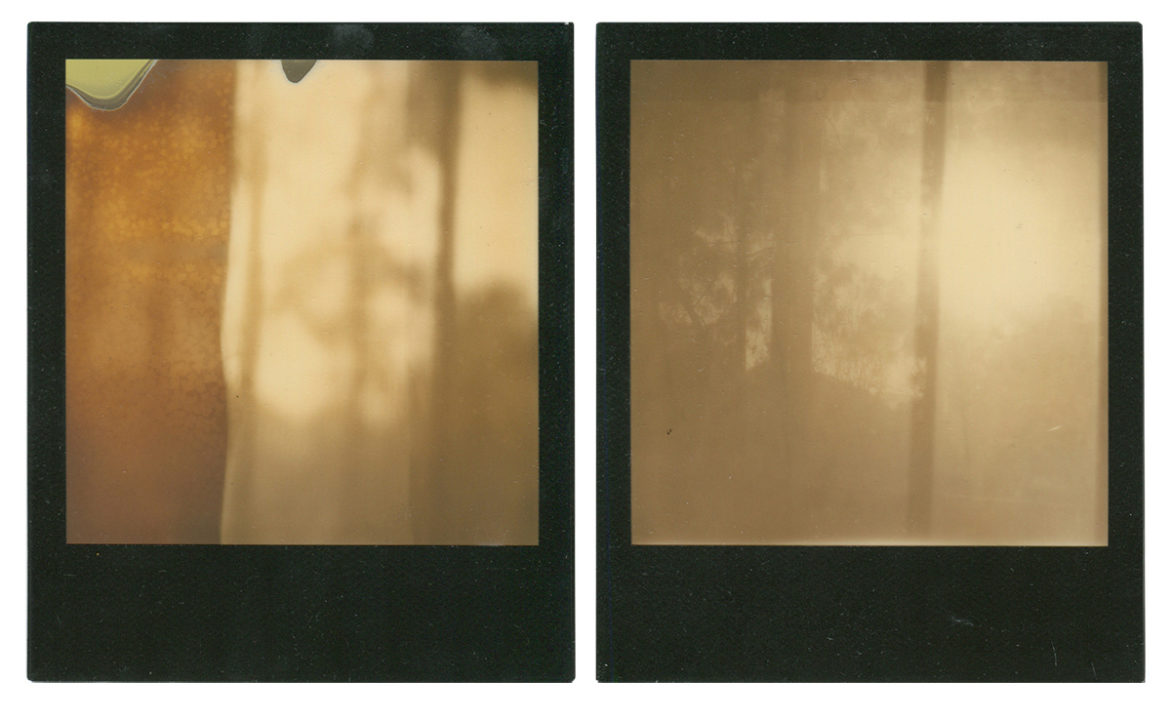
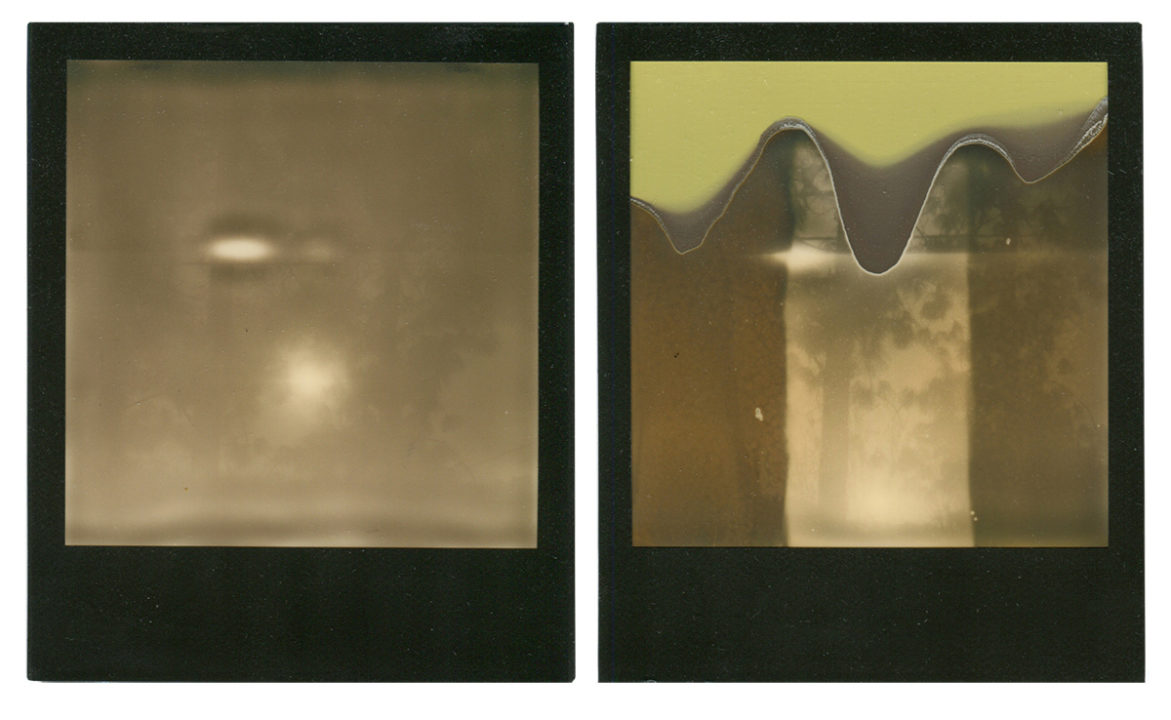
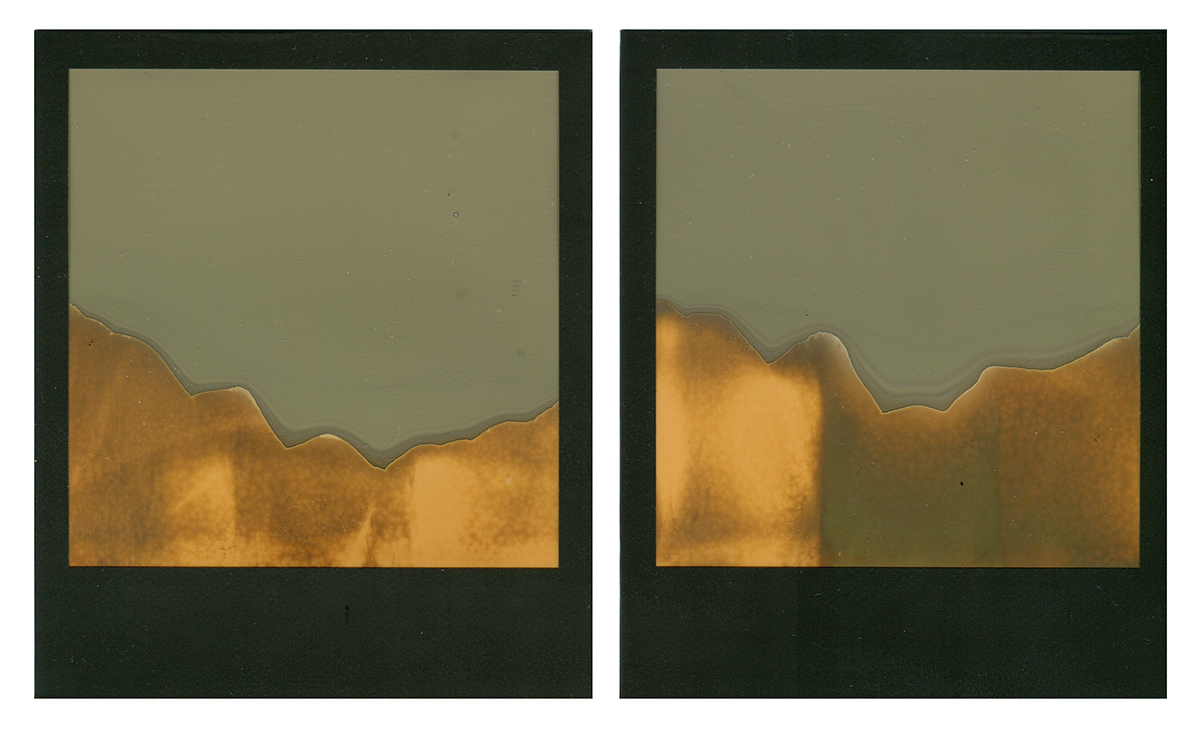
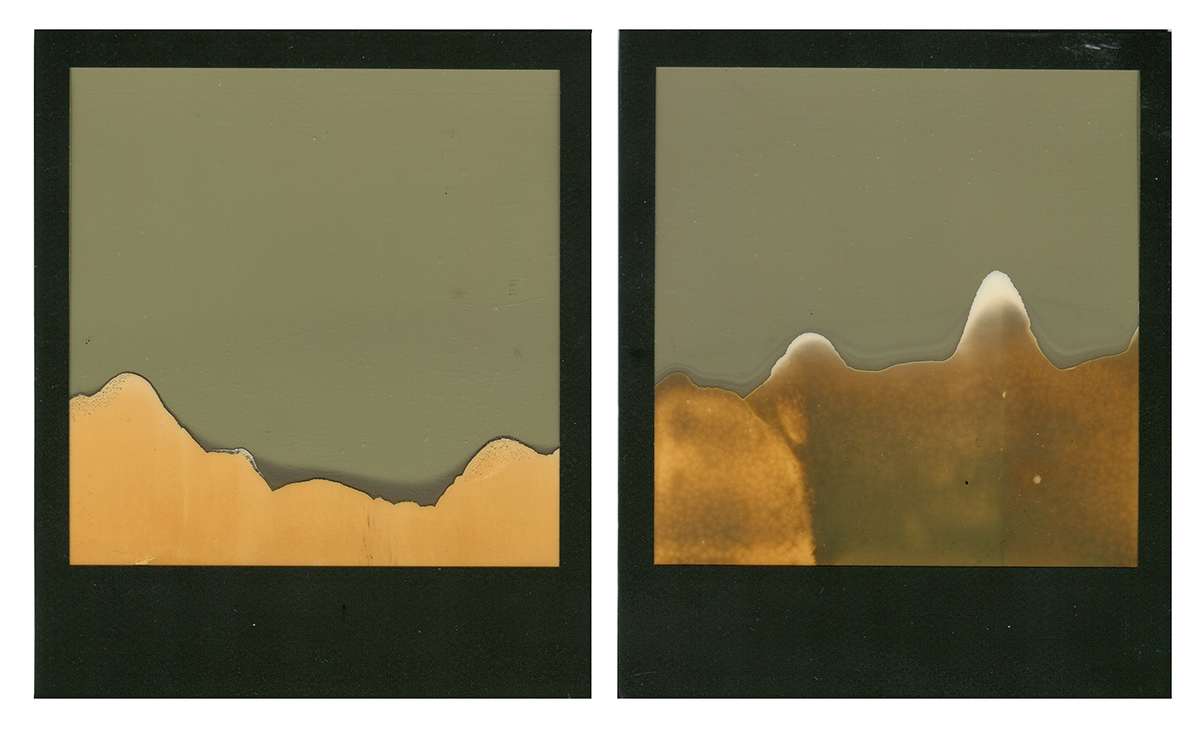
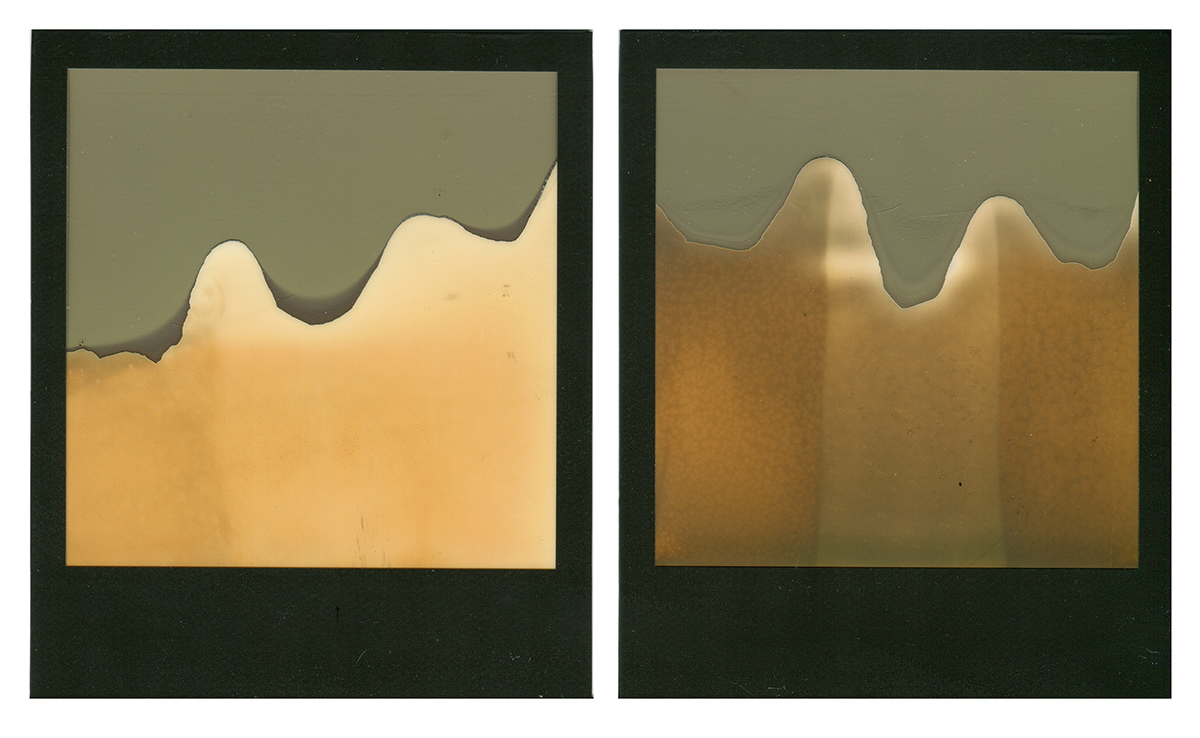
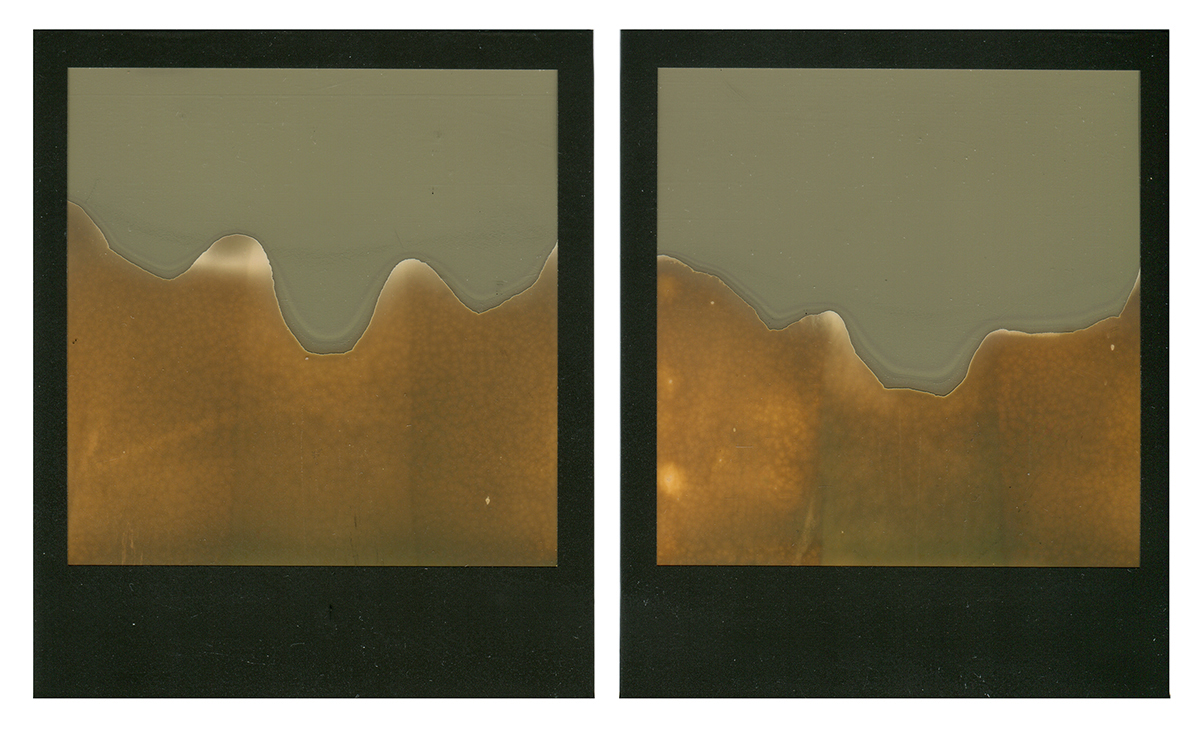
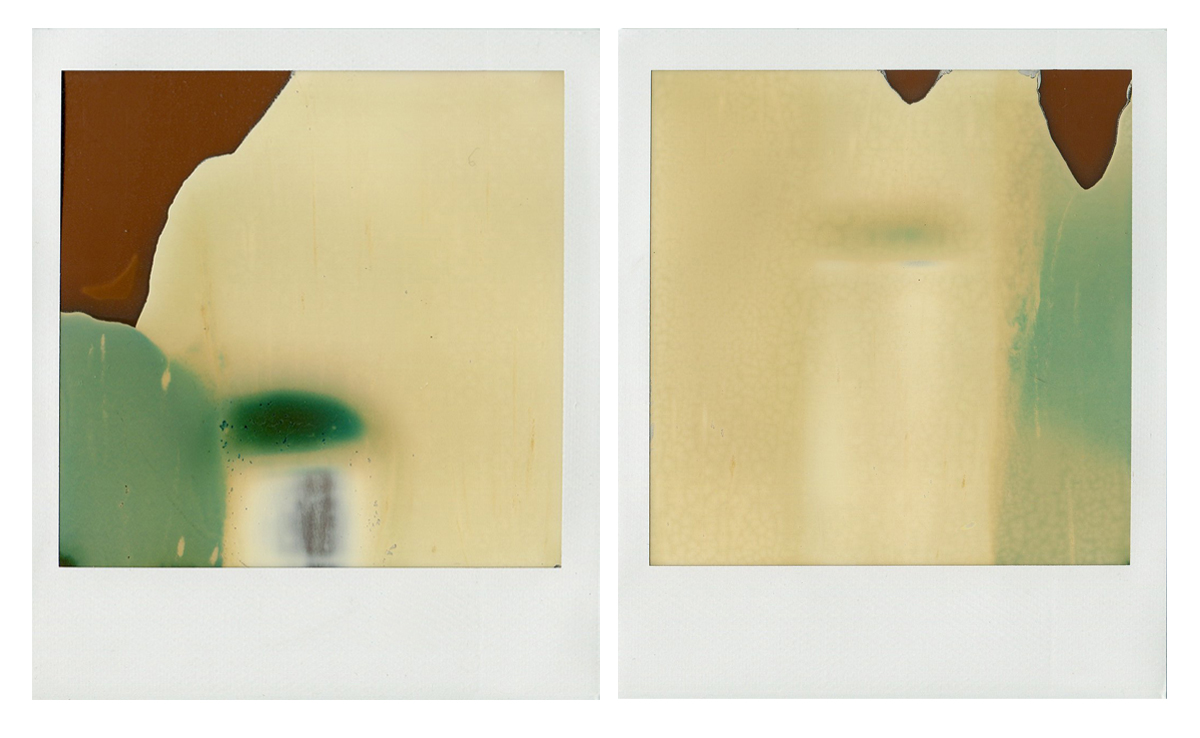
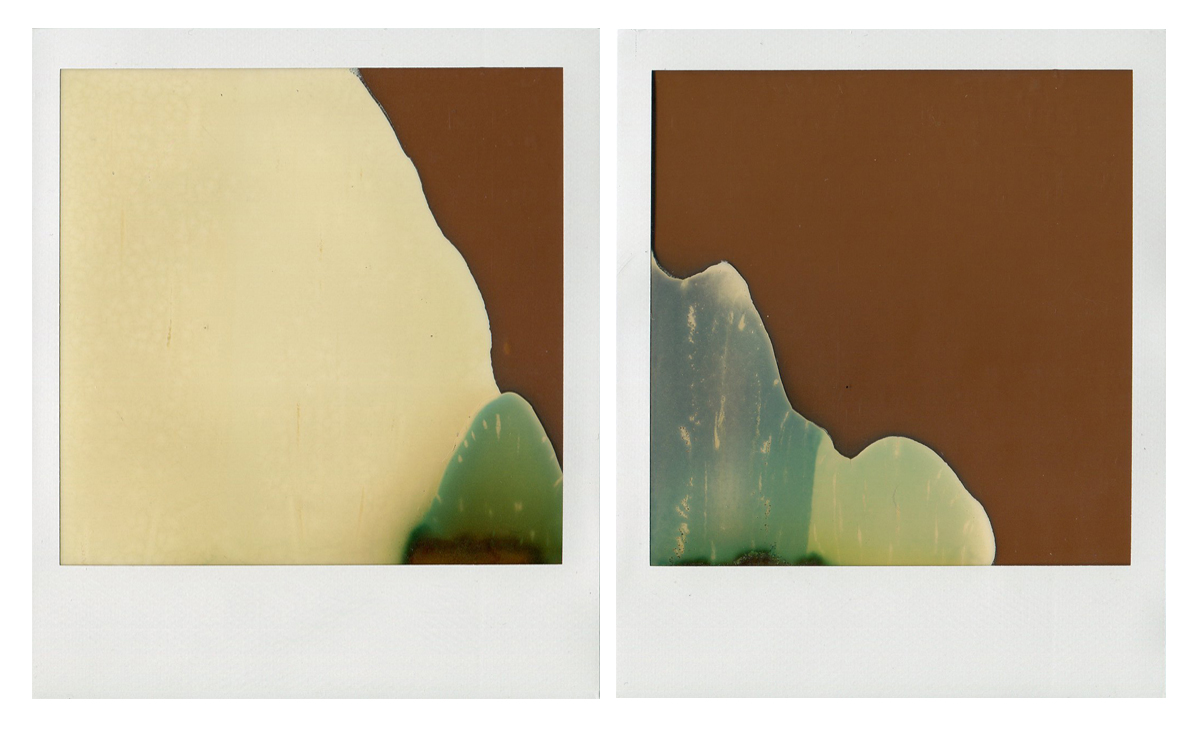
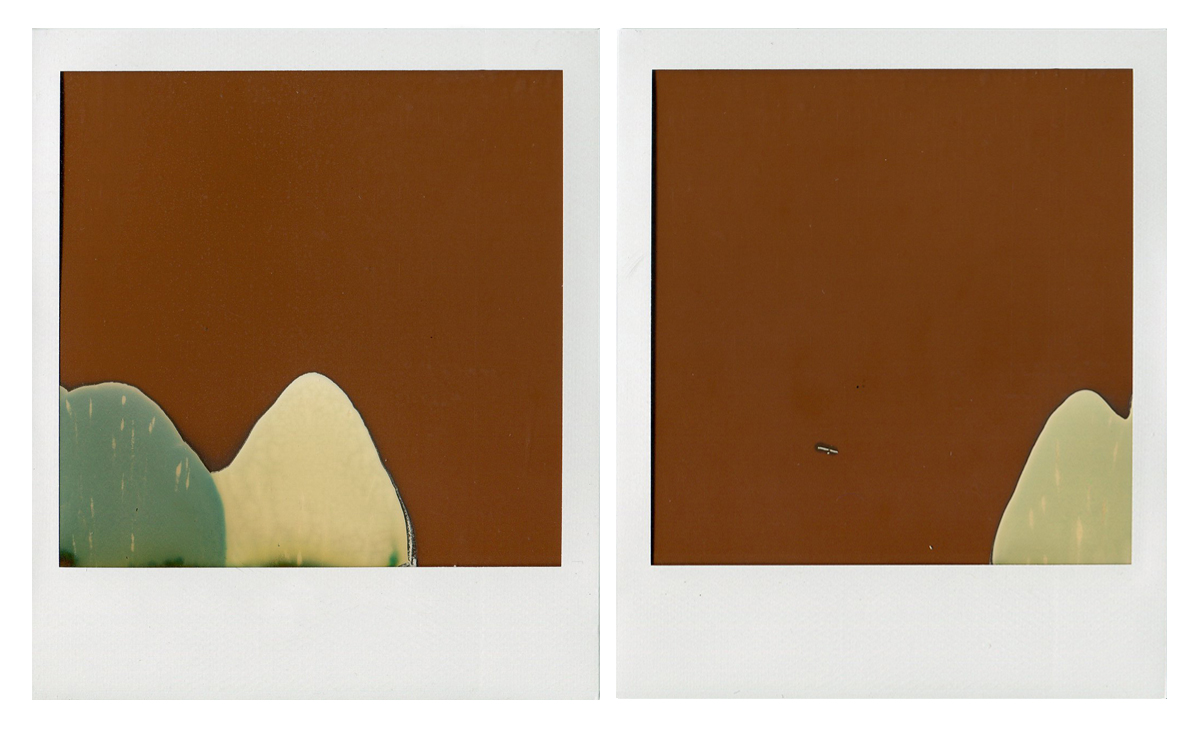
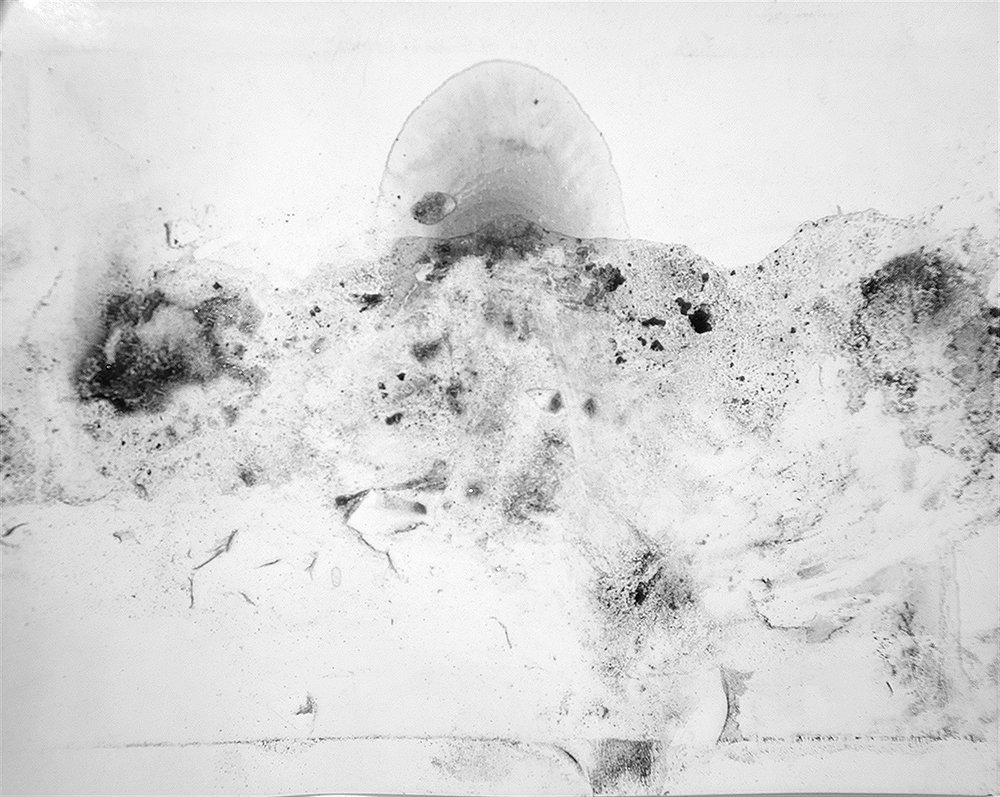
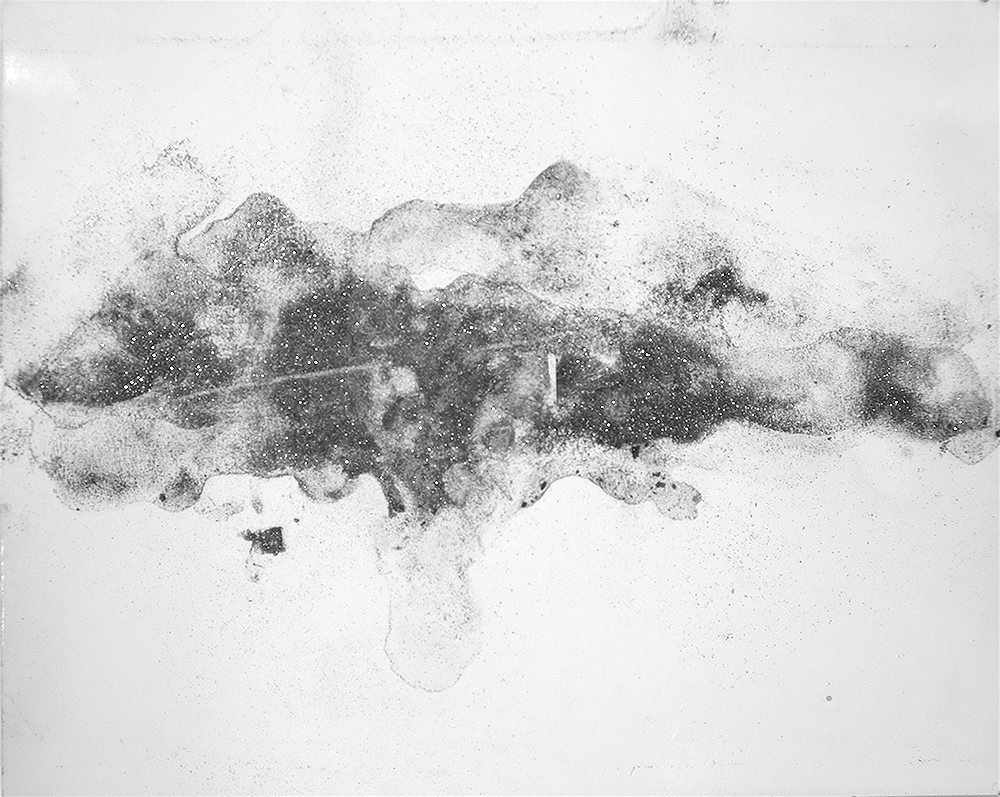
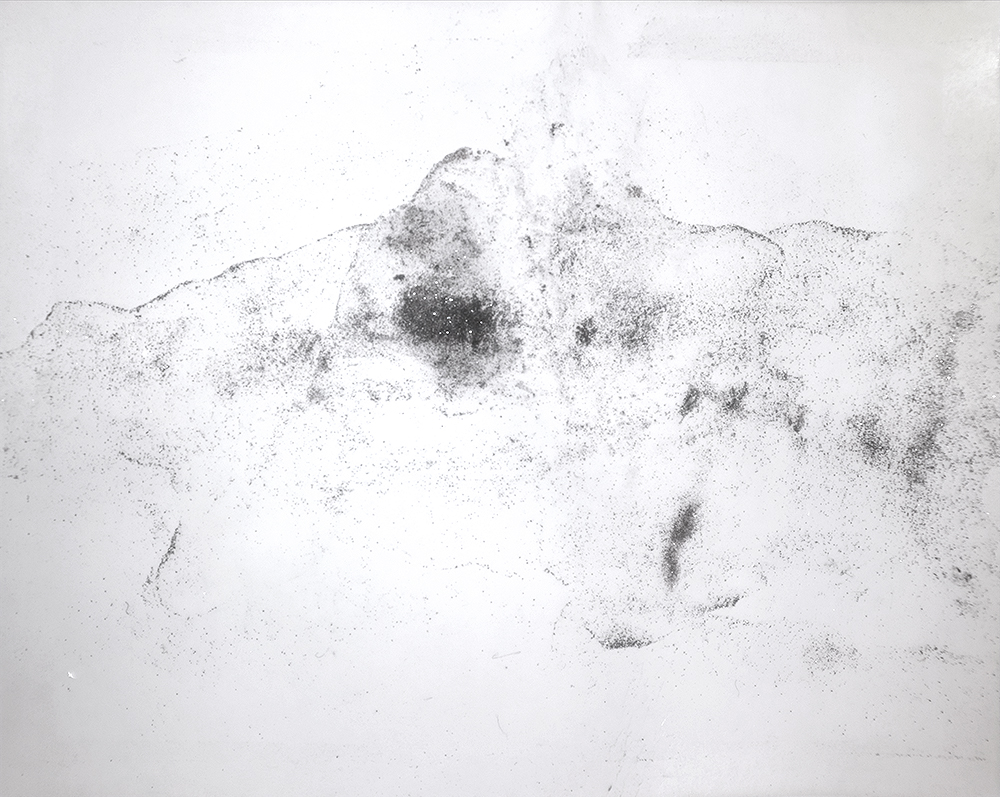
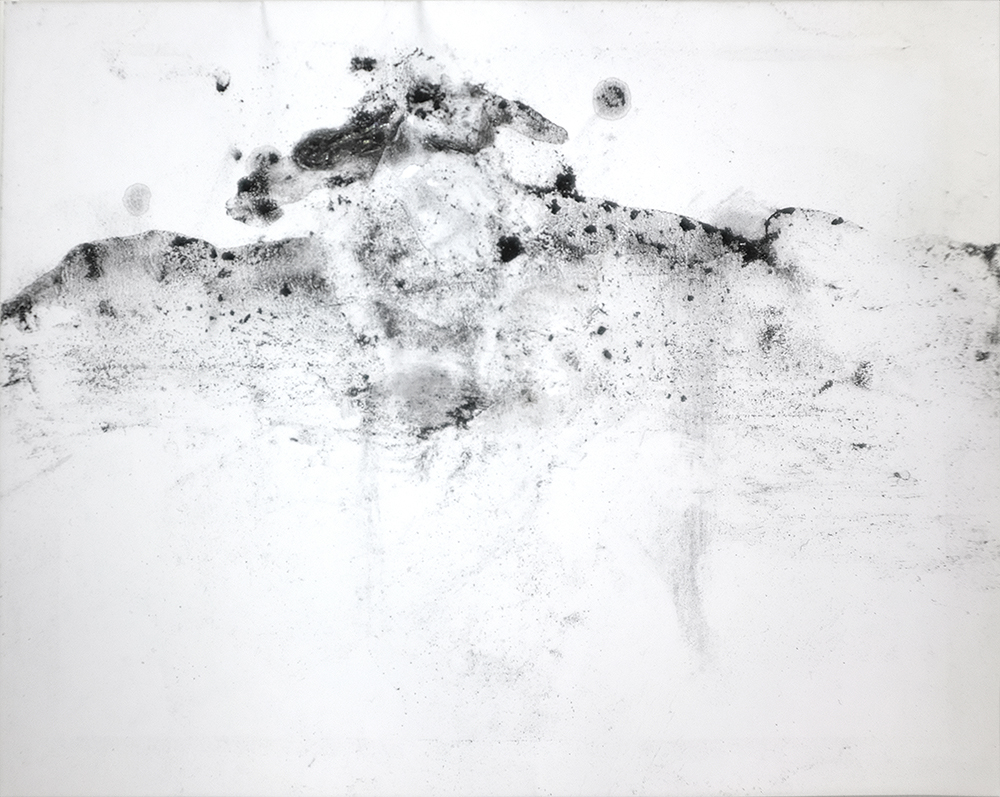
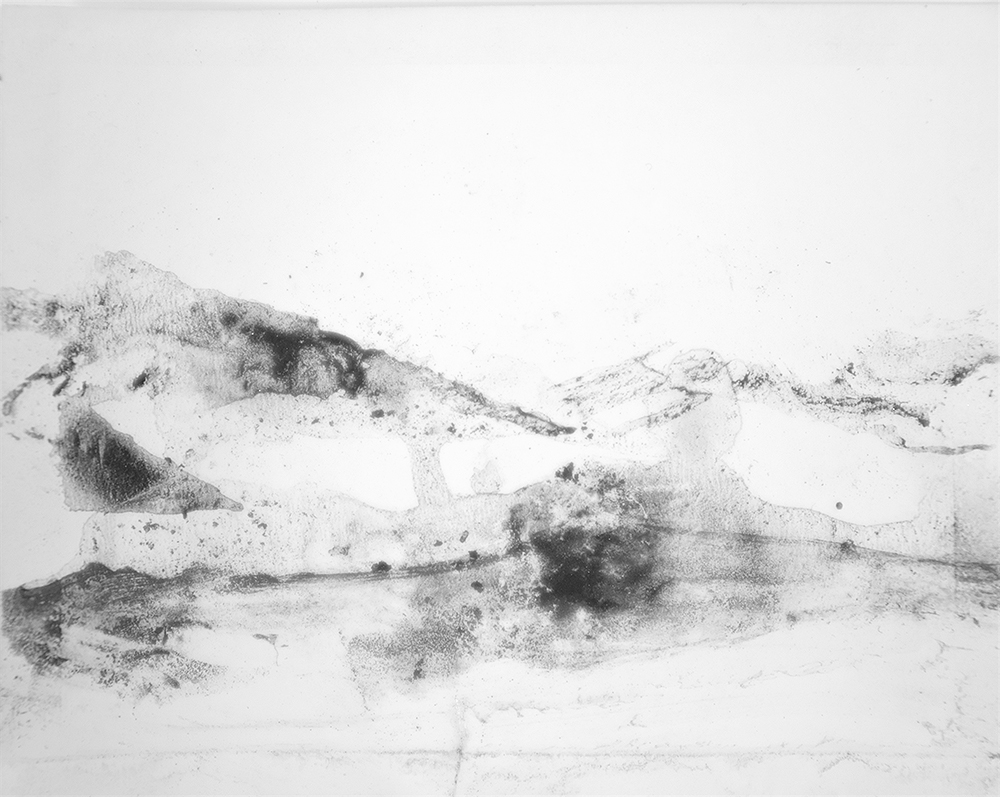
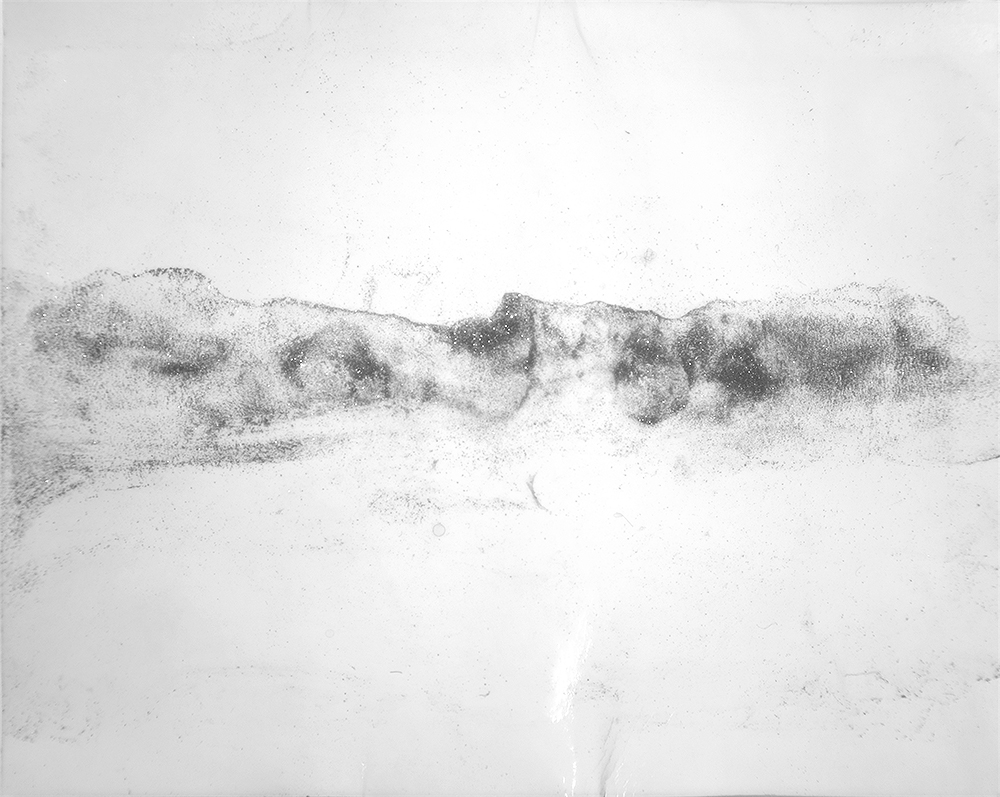
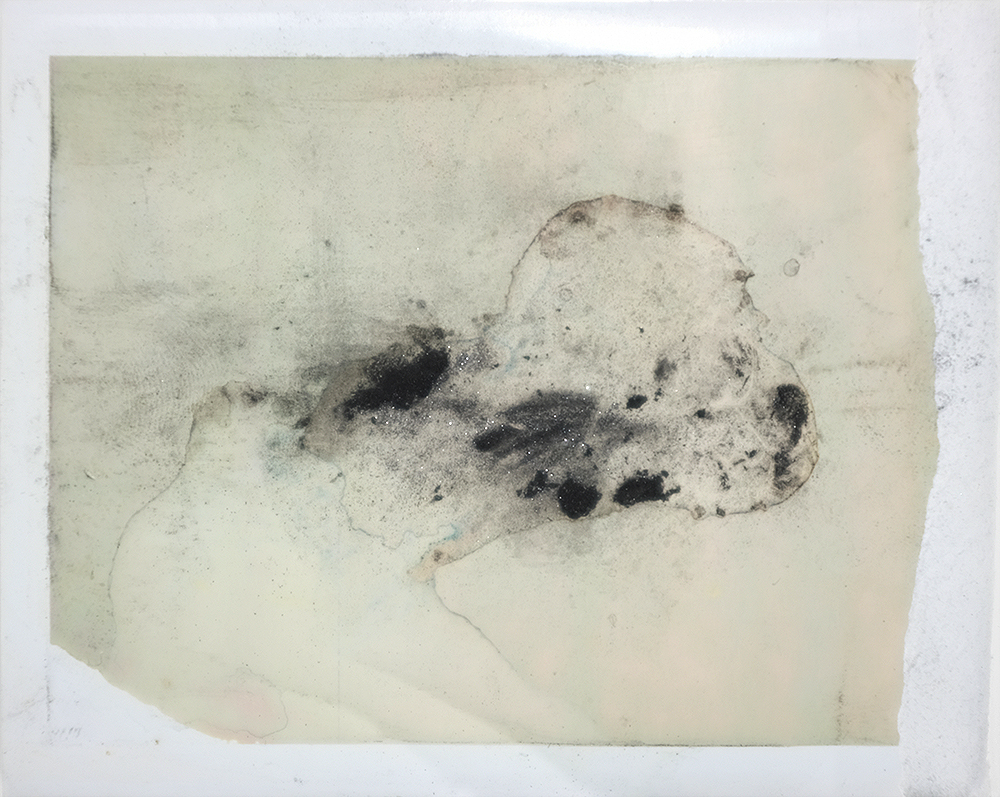
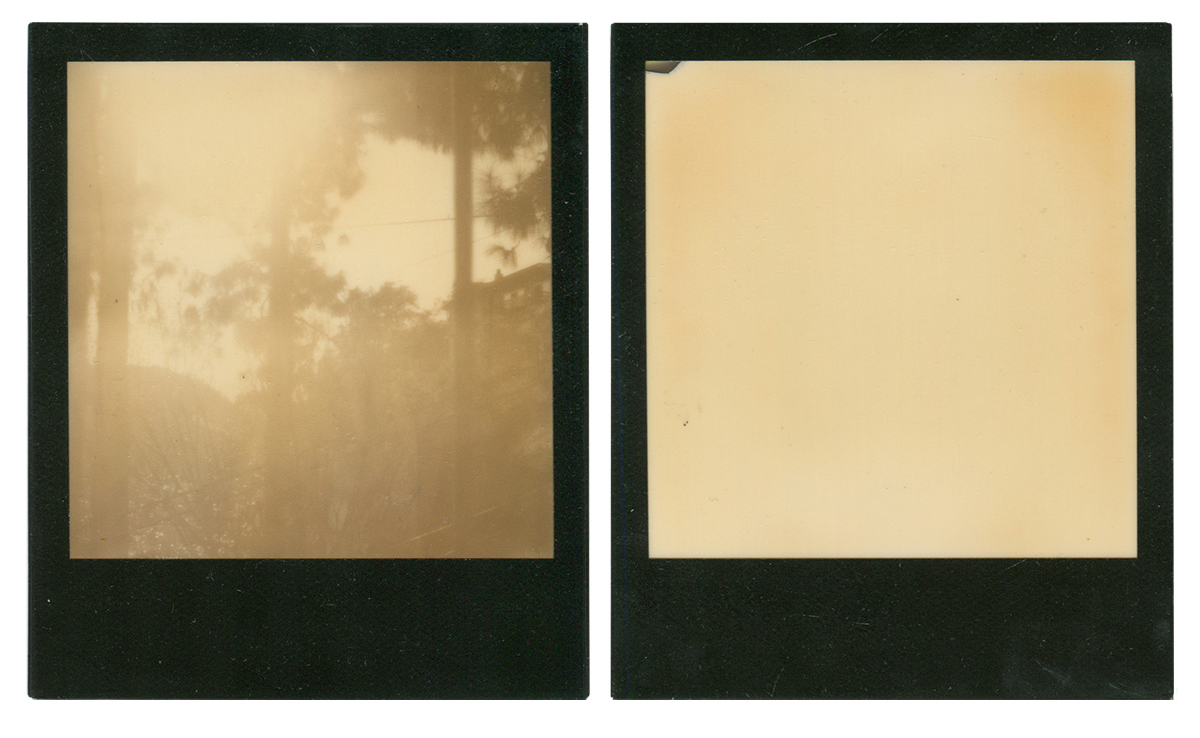
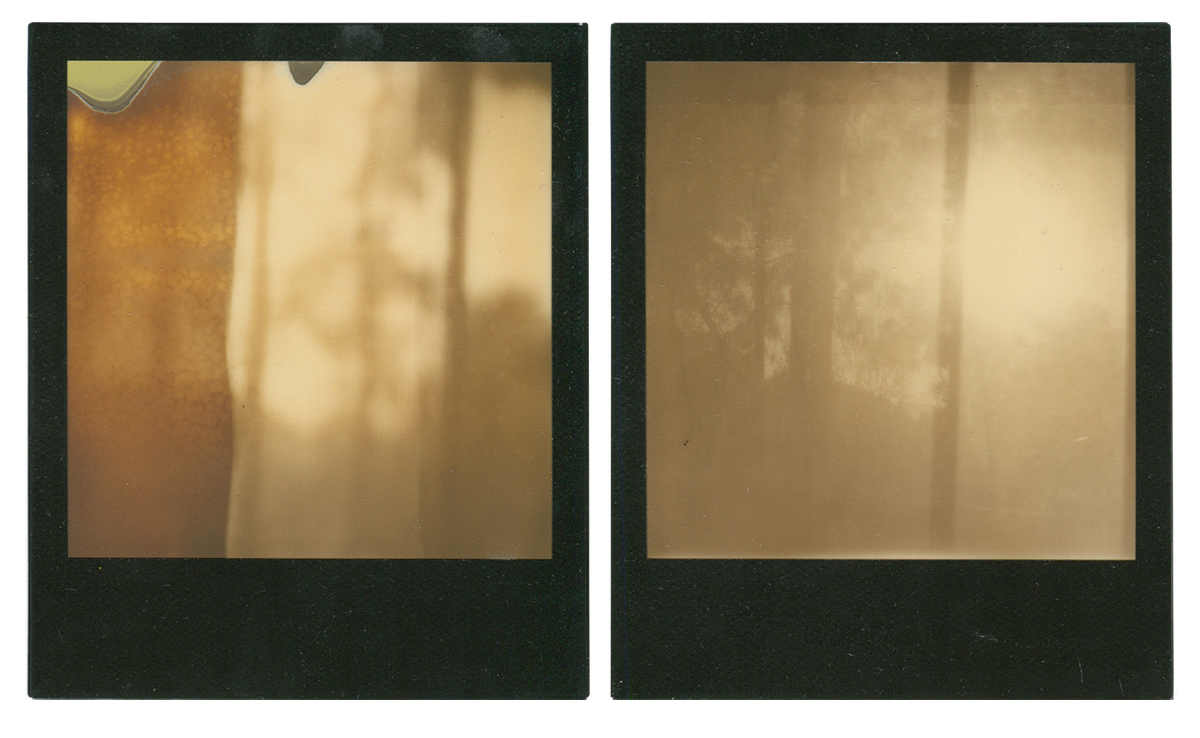
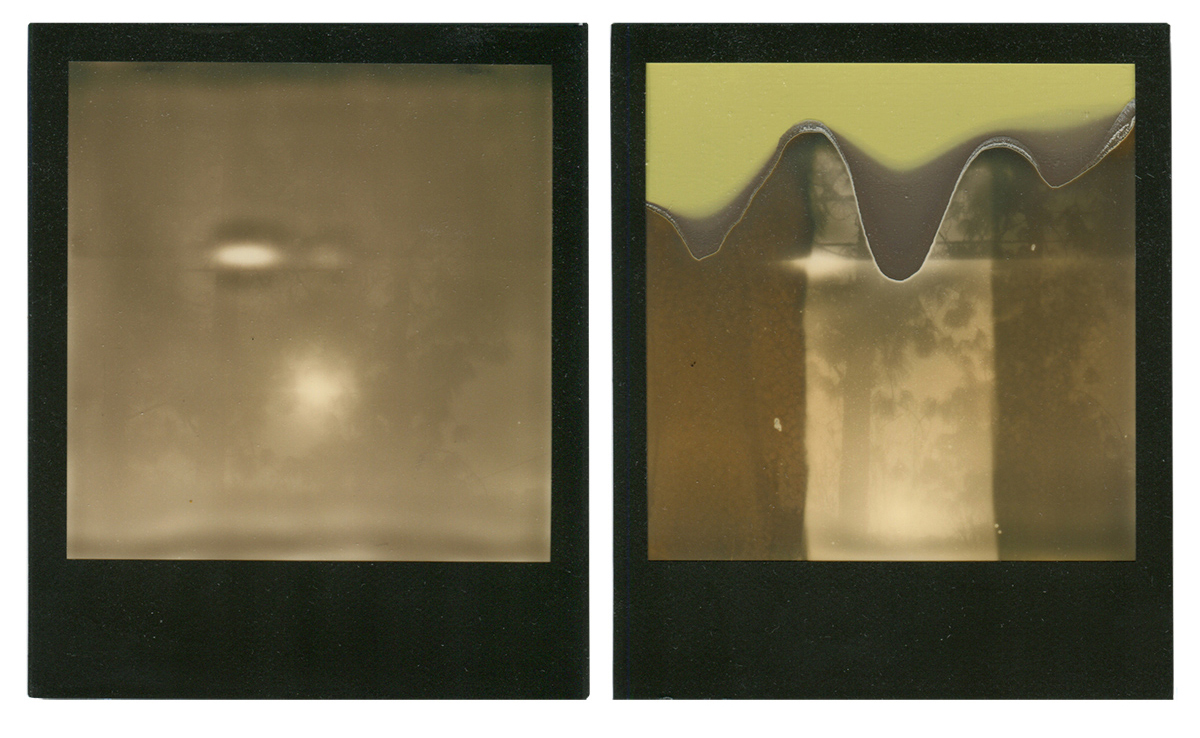
Photography has a habit of degrading a memory and overwriting it in its own image. By contrast, vivid experiences gave new context and shape to this collection of failed photos of nothing. On their own, the individual polaroids capture abstract shapes of decaying film chemistry. But an immersive, encircling mountain range in Oregon re-contextualized the uneven flows of developer into its endless rolling mountain scapes. And the experience of minimal light-allotments over Northern Washington winters gave meaning to the unexpected bursts of light in the diminishing color dye smears. Photos, with their impermanent and fallible materials, are typically used to frame a scene and preserve it from time and change. The new arrangements of these polaroids capture an experience of a landscape reshaping deteriorating photos into a larger, lived moment.
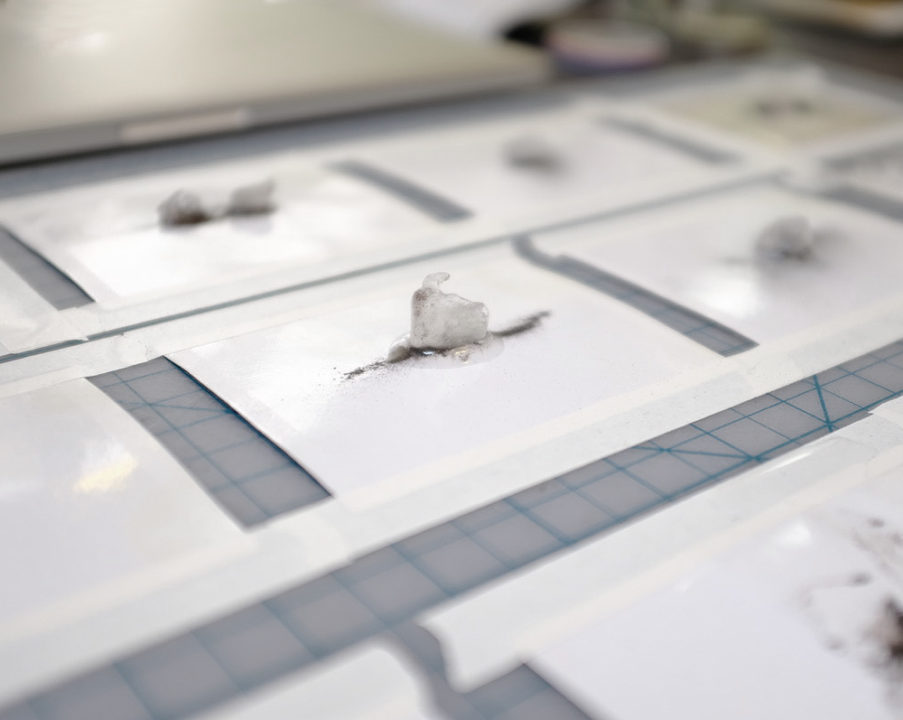
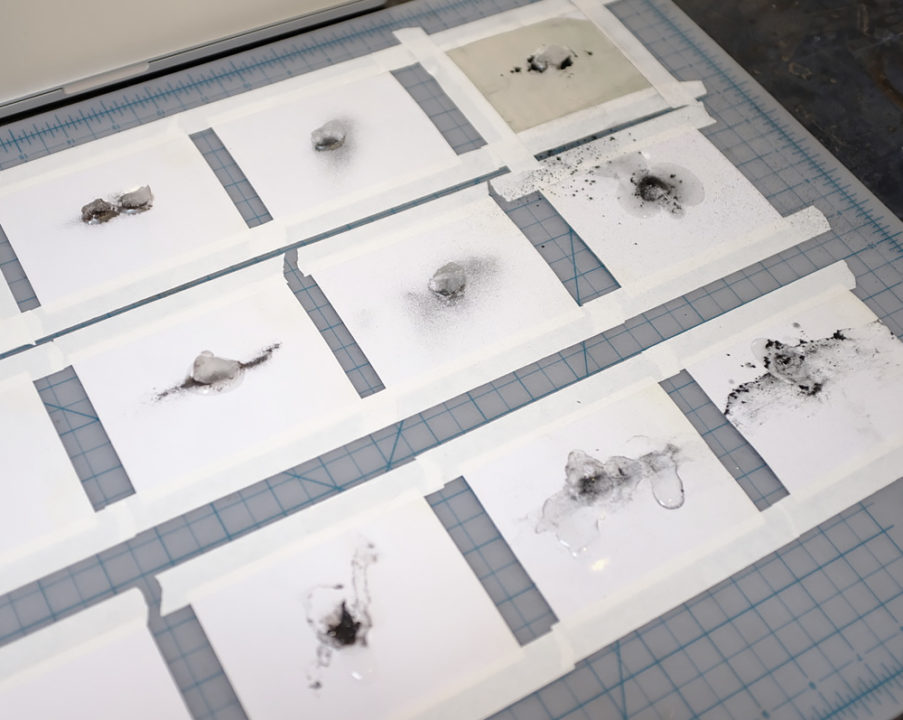
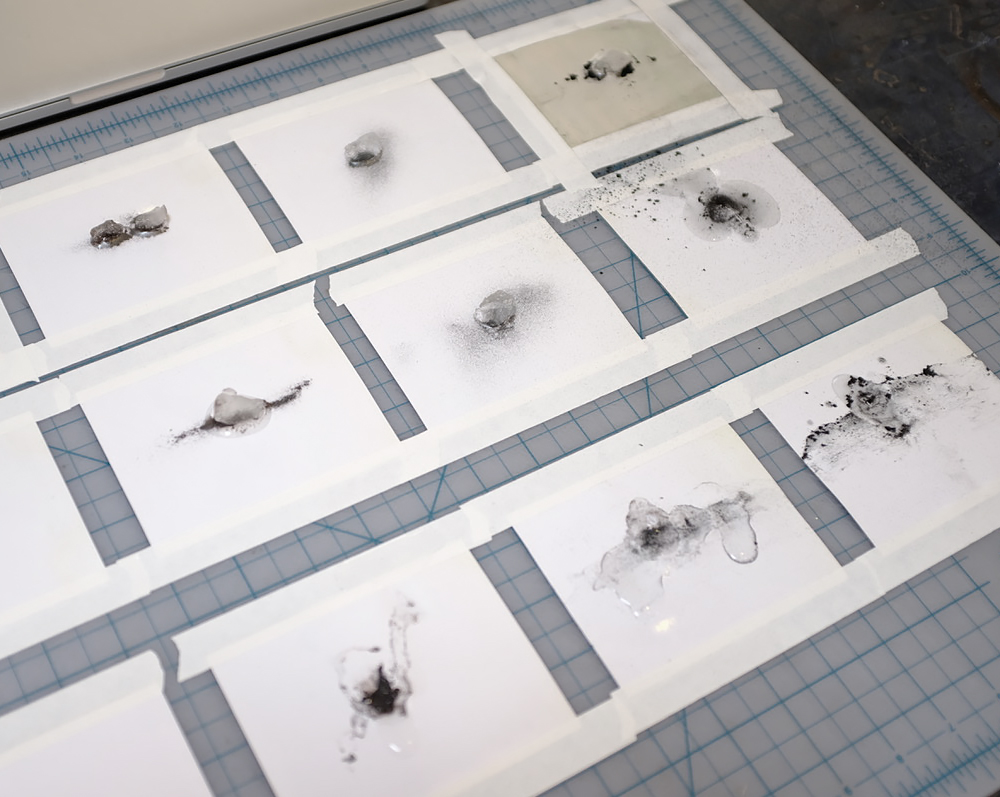
After witnessing the ability of air and water to dramatically change the shape of an environment, pigment and ice were placed on expired film to capture elemental forces at a minute scale.
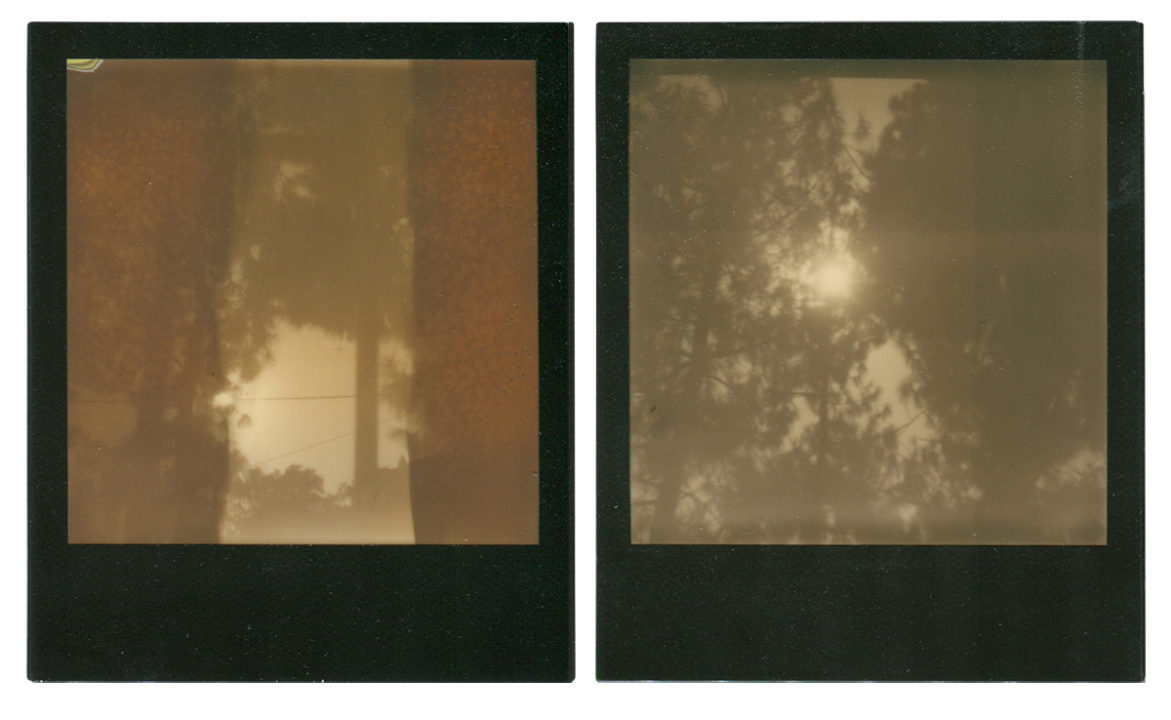
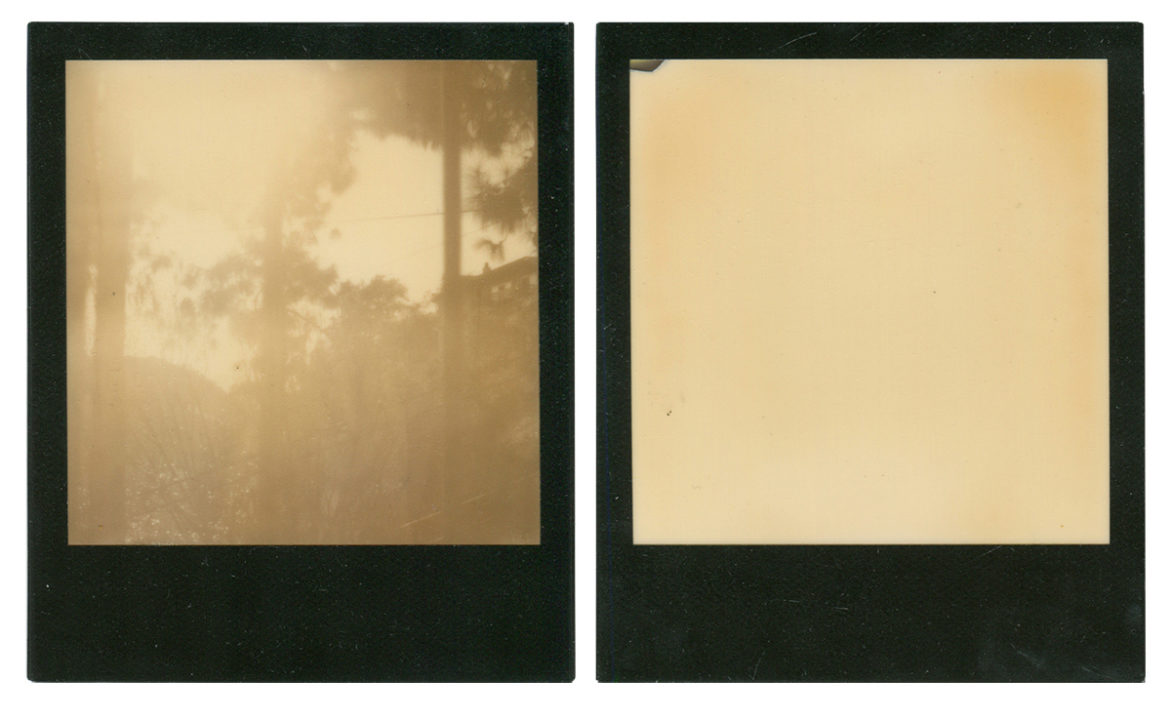
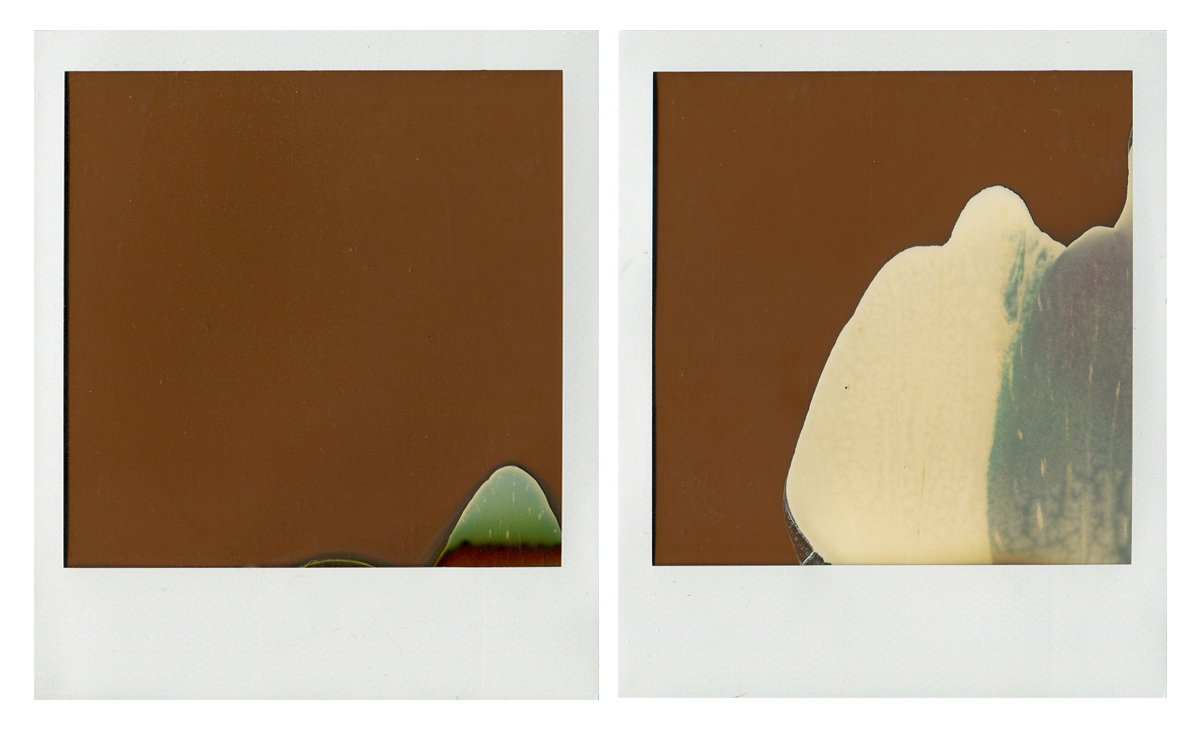
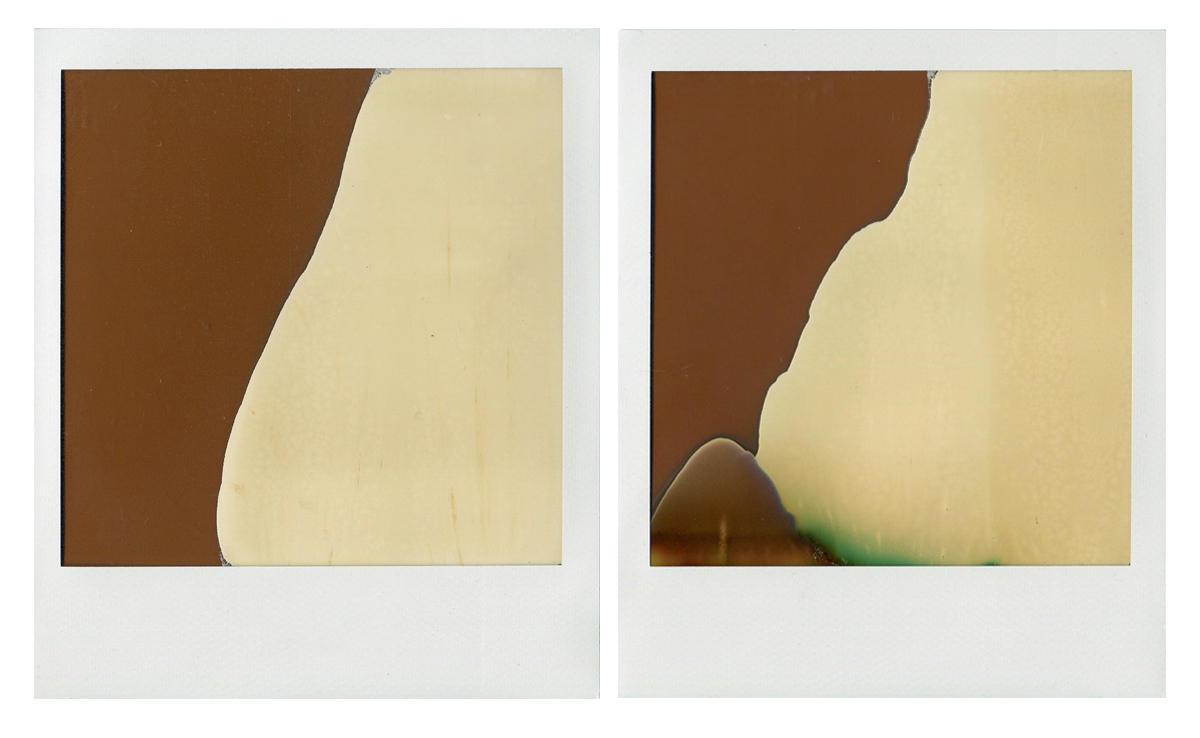
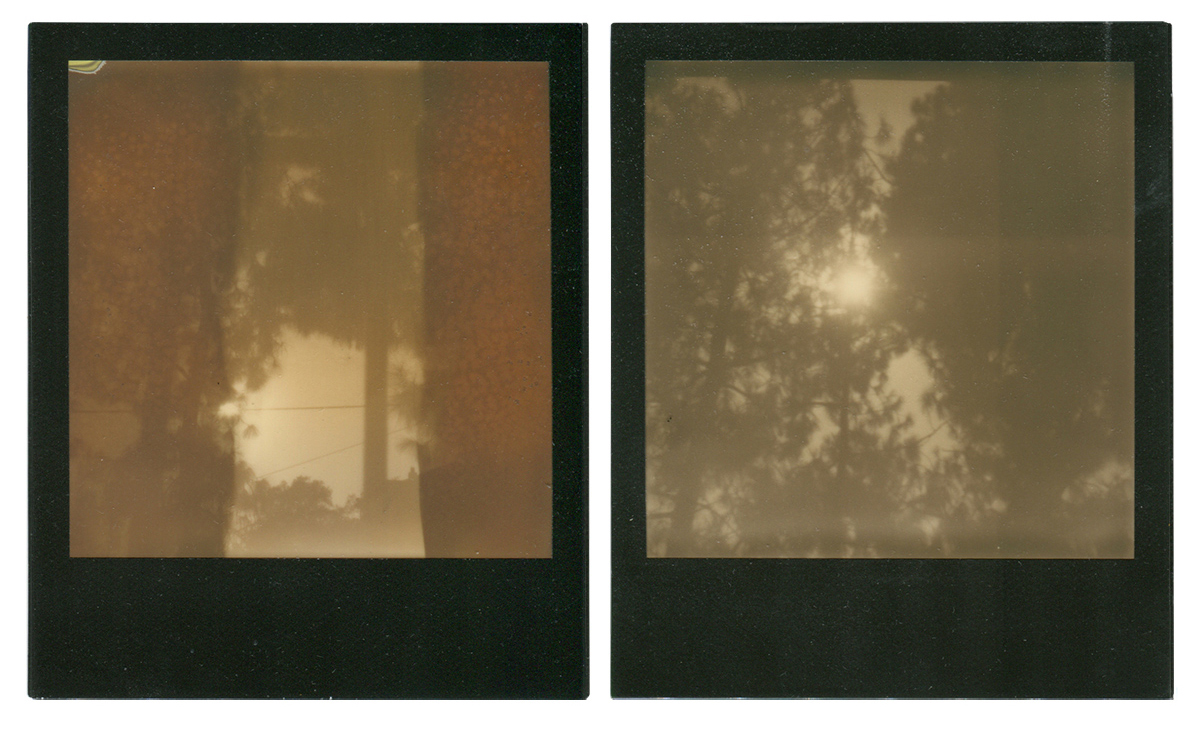
Expired film was focused directly at the Los Angeles sun to capture its acute and meltingly relentless intensity. According to Wikipedia, when the “Solar Noon, also known as the Local Apparent Solar Noon, … contacts the observer’s Meridian at the observer’s Zenith, it is perceived to be directly overhead and no shadows are cast.”
Every daylight hour in LA felt like a Solar Noon. And the Impossible Project’s sensitive, experimental film responded empathetically.